Saturday, July 21, 2012

Pictures from Cape Coast

Takeru, Mica, Emily and Myself waiting for the Canopy walk at Kakum National Park.

Canopy walk at Kakum

Walking through the trees in Kakum


This is what the inside of a Cocoa plant looks like. The beans are covered in a sweet cocoa butter that you can eat but the beans taste terrible until you lay them out in the sun for a couple days.

This monkey, named Spock,  at Monkey Forest Reserve was pretty interested in Emily's Cocoa

Baby Crocodiles at Monkey Forest Reserve

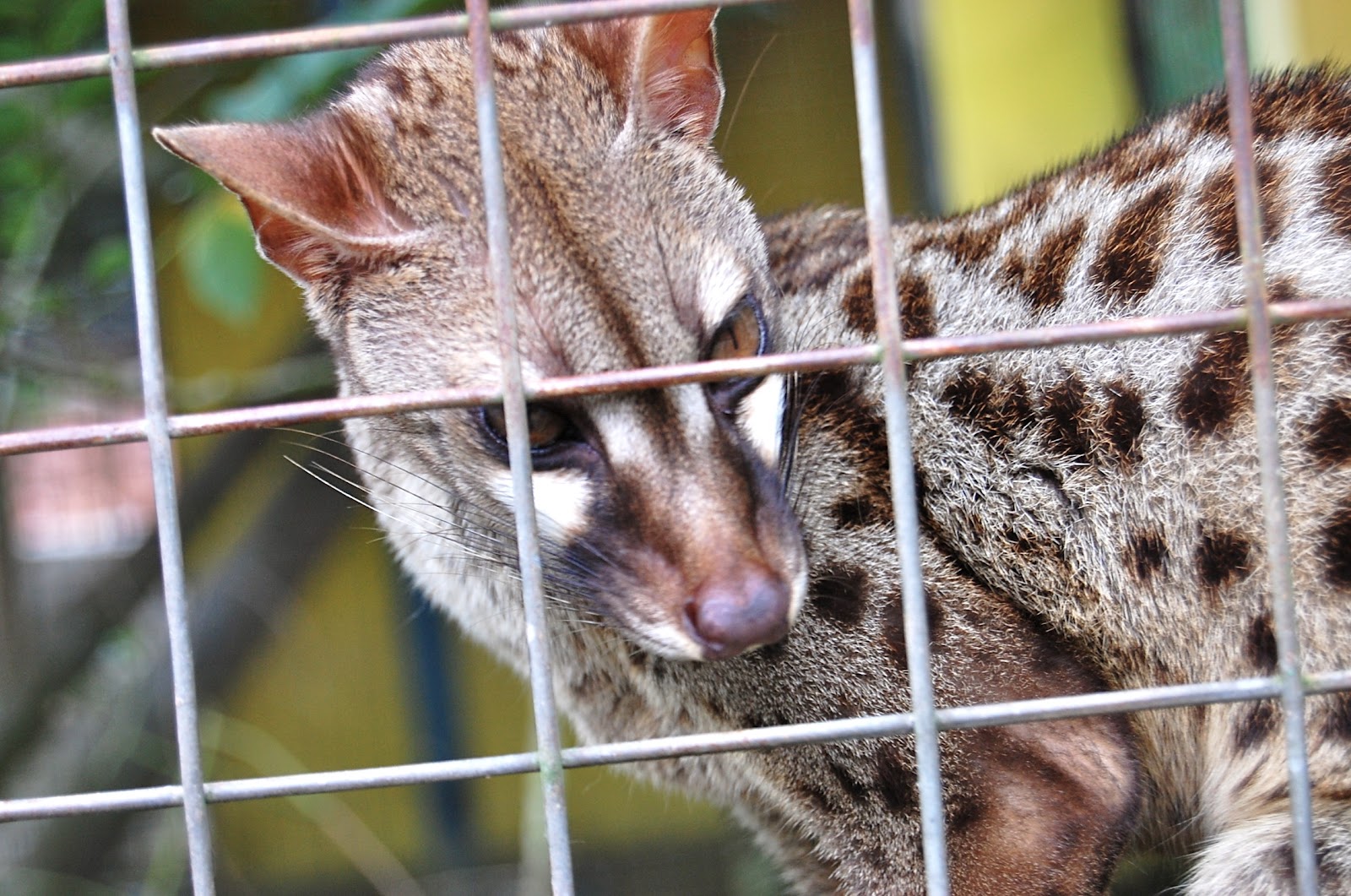
Small African Cat called a Civet


Baby Antelope at Monkey Forest Reserve.


Hanging out on some stumps on top of the hill at Monkey Forest Reserve


Rosa and Myself walking through the trees


Spock at Monkey Forest Reserve


Rosa and Emily out back of the Cape Coast Castle


The cliff on which Cape Coast Castle sits


Pounding my Fufu dinner in Cape Coast

The docks at Elmina, a fishing village near Cape Coast


Championship celebration for some Division 2 Ghanaian soccer players. The fans and players most definitely love their futbol


We went through some Cocoa groves to get to the Wassa Domama rock shrine

Wassa Domama Rock Shrine

Tired, wet, and dirty but we made it to the Wassa Domama Rock Shrine

Vine Climbing at Wassa Domama


Monday, July 16, 2012

Pictures of the Akaa Village

Rasta Tataguan and Myself at the Akaa falls. One Love

Akaa Falls

On top of Umbrella Rock overlooking the Akaa village

Part of the Akaa village from on top of Umbrella rock

Umbrella Rock

Taking the difficult hike back up to Umbrella rock. I might be a little out of shape

Akaa village

The Bamboo ladder to get on Umbrella rock


Delicious dinner made by myself and Rasta Tataguan at the Akaa village

Doing a little weeding with the machete

Planting some flowers on the hill behind the Chief's house in the Akaa village. Hopefully they will be in full bloom when the next Wooster students are there.


Taking a walk with some of the kids in the Akaa village


Sitting on this special rock in the Akaa village means my first child will be twins

The view of the Chief's compound from our room


The school built by Wooster students in the Akaa village.


Wednesday, July 11, 2012

Lighter Side of Cape Coast


We left Accra on Friday night and got into Cape Coast around midnight. We were trying to spend as little money on a hotel as possible so we stayed in a rundown little place called Sammo Guesthouse. My roommates went for a little walk and as they got back the gate was locked. As they were waiting to get let back in, a man jumped out of the alleyway and grabbed my roommate Takeru’s camera. Luckily it was around his neck so the man didn’t get away with it but the incident put everyone on edge. I was inside almost asleep so I was less worried. The next morning we woke up early and took a trotro to Kakum National Park. We took the canopy tour, in which you walk on rope bridges through the trees. Unfortunately we didn’t see any animals but the views were pretty great and it is always fun to be swinging a hundred feet in the air.
                Afterwards we went to Monkey Forest Resort, a couple of miles from Kakum. It is a small monkey/animal sanctuary started by a Dutch couple 8 years ago. The couple was incredibly friendly and loved the animals. We saw several different kinds of monkeys, young crocodiles, civets (medium size tropical cat), antelope, and even a baby python. The monkeys were so playful and loved to show off when people were around. All the animals at the sanctuary were at one point injured or orphaned and brought to the owners for help. In several cases the monkeys would sleep in bed with the couple until they were old enough to be on their own. At the end of our little tour we were shown inside the house where several more monkeys were kept. The women in charge pointed out that the big monkey was staring me down. She told me to walk outside and look in the window and sure enough, the monkey was still looking at me. She explained that he would always find the white male in the room and stare him down as a sort of dominance act. He never broke eye contact with me. Quite a funny sight. We said our goodbyes to the Dutch couple and trotro’ed back to Cape Coast. We had a good meal of Fufu with light soup and Tilapia before heading to Elmina.
                Sunday we saw Elmina and Cape Coast castles. After finishing the second castle we decided to try and go see an interesting rock shrine that the guide book had mentioned, called Wassa Domama. But we got to the trotro station and were disappointed to discover that the trotro was not running on Sunday. Next to the station was a small stadium that appeared to have something going on so we slipped in through an open gate and discovered it was a futbol (soccer) game. It had been raining all day and the field was muddy but the fans loved every minute of it. We caught the last 20 minutes of the game and then it went to penalty kicks. After the final goal was scored the players and fans went nuts. The barbed wire fence surrounding the field didn’t seem to deter them from jumping up and hugging one another. It turned out that the game had been a championship for the Division 2 Central Region of Ghana. We watched for another half-hour as the fans and players partied on the pitch. Some players ran around in their underwear, and some were lofted and carried on fans’ shoulders and music and dancing ensued. We finally left, and got ourselves a rather nice hotel with hot water, air conditioning and no spiders or cockroaches to be found. In Ghana you can get a room for three guys for 40 cedi (that is a little more than $20 USD). We went into town and watched the EURO league championship between Spain and Italy at a local bar. Ghanaians are crazy about soccer so the atmosphere was great.
                We were pretty tired on Monday but I was re-energized by my first hot shower in over a month. We thought we would take a “short” journey to the Wassa Domama rock shrine before heading back to Accra early. We were very wrong. We got up at 8 and on the trotro by 9 in the morning. But we proceeded to wait two hours for the trotro to fill up (Rule #1: never get on an empty trotro). We finally left but it started to rain hard on our journey and I realized that our trotro did not have working windshield wipers. These impeded our progress a bit and made for an unsettling ride. We slid up and down dirt (now mud) roads for 2 hours before finally arriving in Wassa Domama. This should have been a sign to me that we should turn back (but Rule #2: Never turn back on an adventure). We were informed that the shrine was another 7 km (5 miles…ish) and that we could take a taxi but it would cost us 30 cedi (I don’t think I have spent that much money on a single thing in Ghana) so stubbornly I decided we would walk. It was quite a walk; up and down hills, through cocoa forests with muddy trails and steep trails, all in 90 degree heat, with some rain every once in a while. It took us another hour to reach the shrine although I could have sworn it was 3 hours. As we finally arrived we came upon this huge natural rock shrine which consists of one enormous rock balanced on two other enormous rocks. We walked underneath it and then decided to climb to the top. Our guide showed us how to use the vines growing from the trees to climb each rock. Yet again I knew for a brief time what it feels like to be Bear Grylls. The top was about 70 feet off the ground and had some great views of the jungle around us. We walked the 7 km back to the town, caught a trotro to Cape Coast and then caught one to Accra. Our “short day” started at 8 am and ended with us arriving home around 10 pm, covered in mud, scrapes and bugbites and absolutely exhausted. All in all a worthwhile adventure although I wouldn’t recommend it (or do it again myself).
                We had an insanely long weekend in Cape Coast and yet again saw some things I never would have imagined. Sometimes you just have to do something that sounds interesting regardless of how difficult or tiring it will be. There is no better feeling than getting outside of your comfort zone  and seeing how far your willing to go. Pictures coming soon. Now for your Twi of the day.

Twi phrase of the day:    Wabre?   (Wabray)                                         Are you Tired?
                                                Mabre      (Mabray)                                         I am tired
                                                Ma  mmbreye   (Ma mmbrayay)                               I am not tired

Monday, July 9, 2012

A Glimpse into a Dark Past

        This week was highlighted by a great trip to Cape Coast, another large city about 4 hours from Accra along the coast. However this post is not about the excitement of Cape Coast and is much darker than usual. Please do read on. Cape Coast is a historic fishing village that is most known for its British fort. Well… British Slave Castle. Most everybody is taught throughout school about slavery in the U.S.  and around the world. Unfortunately there are no longer many historic sites in the states to remind us of our grim past. You can go visit some old plantations or to the battlefield at Gettysburg but neither give you a very good idea about the human suffering that took place. Most American children, including myself, have learned everything they know about slavery from a book. But this only serves to teach us facts; it will never help us empathize with the pain and suffering of millions of African people. Thus I felt it was quite important while in Ghana to visit the slave castle. We visited both the Elmina and Cape Coast castles.
                These castles were originally built to protect European trading ports but once the slave trade began they were converted to house several thousand slaves at a time. The tour begins when you enter the main dungeons. These were large rooms, maybe 50 x 100 ft with stone walls and dirt floors. If they were lucky they had a small window about 2 x 2 ft that let in enough light to see the silhouettes of people around you but not much else. The male and female slaves were kept separated in these chambers for 3 months at a time until the next ship arrived. Many slaves went blind due to the extreme lack of light. The chambers did not contain any sort of drainage system so the slaves would live, eat and sleep in their own waste. Many caught diseases due to this and died slowly. They were given large bowls of food twice a day but there was not enough for all, so the strong would eat and the weak would starve. Ironically the English church was located just on top of the male chamber in Cape Coast Castle, where every Sunday they would pray as African men suffered below. For those slaves that tried to escape or cause trouble, a separate chamber was allocated. This chamber was only about 10x10 ft with no windows or ventilation. If a slave entered the chamber he did not come out alive. When you visit they allow you to enter the chamber and then close the door behind you. It is completely dark, quite hot and I don’t think I would last 1 hour in there. We next moved to the female chambers. These were much the same as the male chambers except that they were located next to a courtyard beneath the governor’s balcony. Every once in a while the women would be forced to stand in this courtyard while the governor looked on and chose one to be his mistress. This happened quite often, and the soldiers themselves often raped the women. Those who wouldn’t comply were sent to a punishment chamber for weeks.
                After the three months, the slaves were chained together and led down a passageway to board the ships. When they reached the edge of the castle, they passed through the Door of No Return, a small passageway that they would shuffle through with their hands and ankles bound. Many slaves never made it to this point at all.  For those who did they would be taken out to a large ship where the conditions were even worse and many more would die from disease and starvation on the long trip to Europe or the U.S. Although the castle from the outside is very impressive and the views from the towers or the ocean are beautiful, it is quite grim to think of the immense suffering that took place at these sites. They are the most realistic castles you will ever see; they still have all the old canons and cannon balls. If you travel to Africa, please take advantage of the opportunity to visit these castles. For to many people the memory is long faded. In the meantime google some images to get a better understanding. We took some pictures secretly (as they unfortunately charge you for use of a camera) but I don’t have pictures of everything.                            
This sign was placed in both castles by the local people after slavery was ended. Words to live by.